
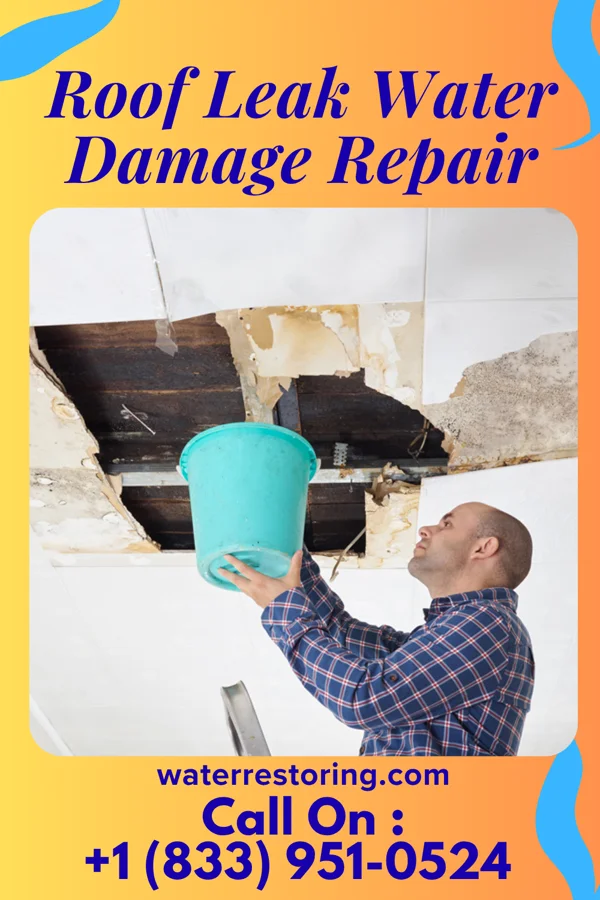
Why Roof Leaks Hit North Harlem Colony Hard
The pattern in North Harlem Colony is consistent. North Harlem Colony experiences frequent spring and summer thunderstorms, which can lead to heavy rainfall and sudden downpours. The region's high elevation and mountainous terrain contribute to rapid runoff, increasing the risk of roof leaks and water damage. These weather patterns are especially common in the late spring and early fall. drives most of the emergency restoration calls we get. A close second is Winter snowmelt can cause prolonged periods of saturated soil and increased groundwater pressure, leading to potential basement flooding and roof infiltration. The area is also prone to strong wind events that can damage roofing materials and exacerbate existing leaks..
The climate in North Harlem Colony, characterized by cold winters, warm summers, and frequent precipitation, leads to a high incidence of roof leaks and water damage. The area's proximity to the Fort Belknap Agency and the surrounding mountainous regions increases the likelihood of extreme weather events.
The climate in North Harlem Colony, characterized by cold winters, warm summers, and frequent precipitation, leads to a high incidence of roof leaks and water damage. The area's proximity to the Fort Belknap Agency and the surrounding mountainous regions increases the likelihood of extreme weather events. The dominant local driver is North Harlem Colony experiences frequent spring and summer thunderstorms, which can lead to heavy rainfall and sudden downpours. The region's high elevation and mountainous terrain contribute to rapid runoff, increasing the risk of roof leaks and water damage. These weather patterns are especially common in the late spring and early fall., with Winter snowmelt can cause prolonged periods of saturated soil and increased groundwater pressure, leading to potential basement flooding and roof infiltration. The area is also prone to strong wind events that can damage roofing materials and exacerbate existing leaks. showing up as the next most common cause. Damage builds in stages. Spread. Absorption. Microbial growth. Structural compromise. Every stage you pass through adds to the final bill.